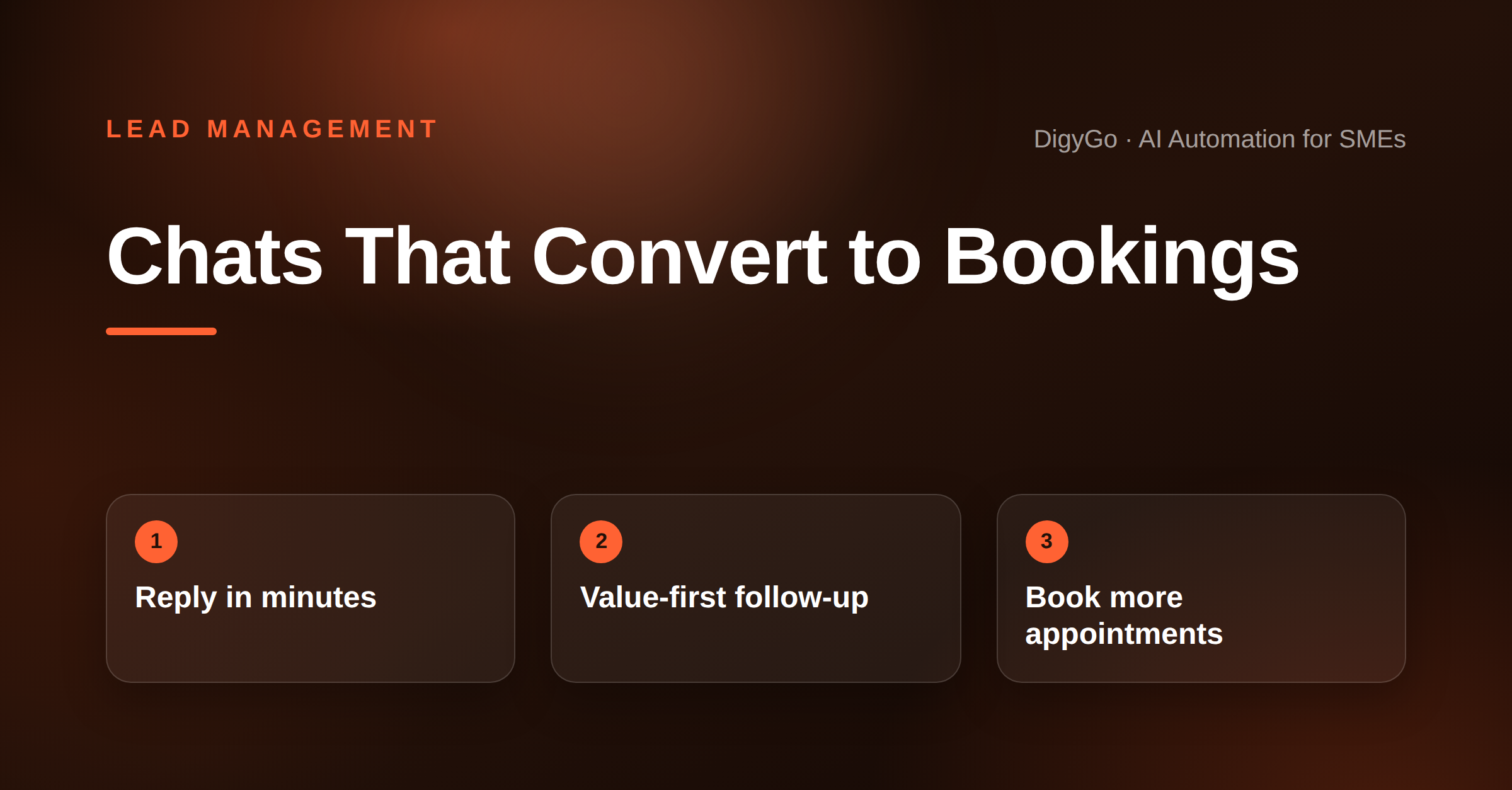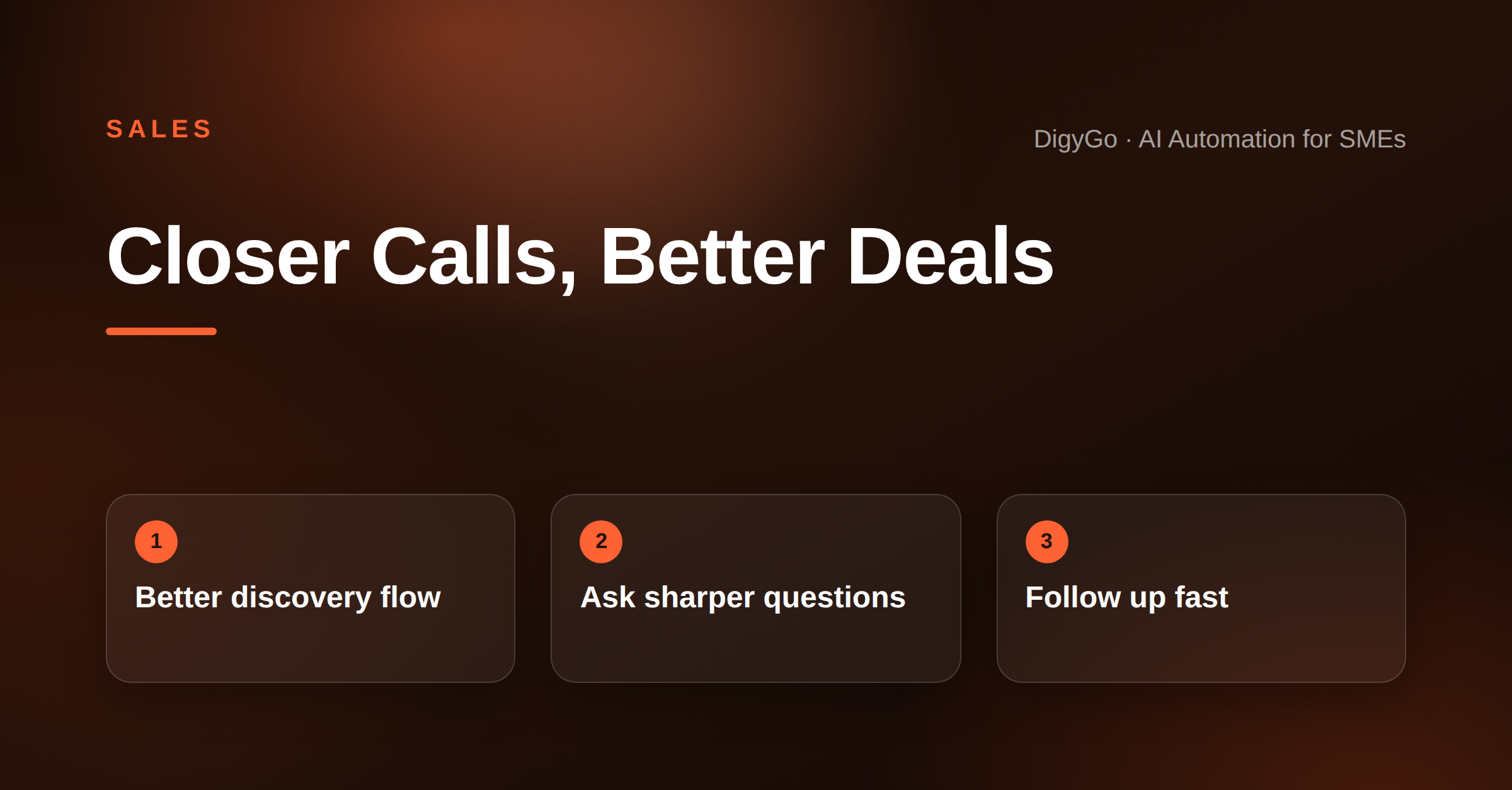
Most SME sales teams do not lose deals because of price alone. They lose because discovery calls stay too broad, follow-up gets inconsistent, and no one turns buyer signals into a next-step conversation. A better discovery call gives you control of the pipeline before the proposal ever lands.
A practical sales playbook for SMEs on structuring discovery calls, asking better questions, and following up in a way that keeps the deal moving.
Why discovery calls decide the deal
Discovery is not an information-gathering exercise. It is where trust is built, urgency is clarified, and the prospect decides whether you understand the business problem well enough to solve it. If the call ends with vague interest, the rest of the pipeline has to work much harder.
For SME founders and sales teams, the goal is simple: uncover the real pain, confirm the cost of inaction, and qualify whether the buyer has the authority, need, and timing to move forward.
| Weak discovery | Strong discovery |
|---|---|
| Asks generic questions | Tracks business pain |
| Talks too much | Listens for buying signals |
| Ends without next steps | Confirms a clear follow-up |
| Forces a proposal too early | Qualifies before quoting |
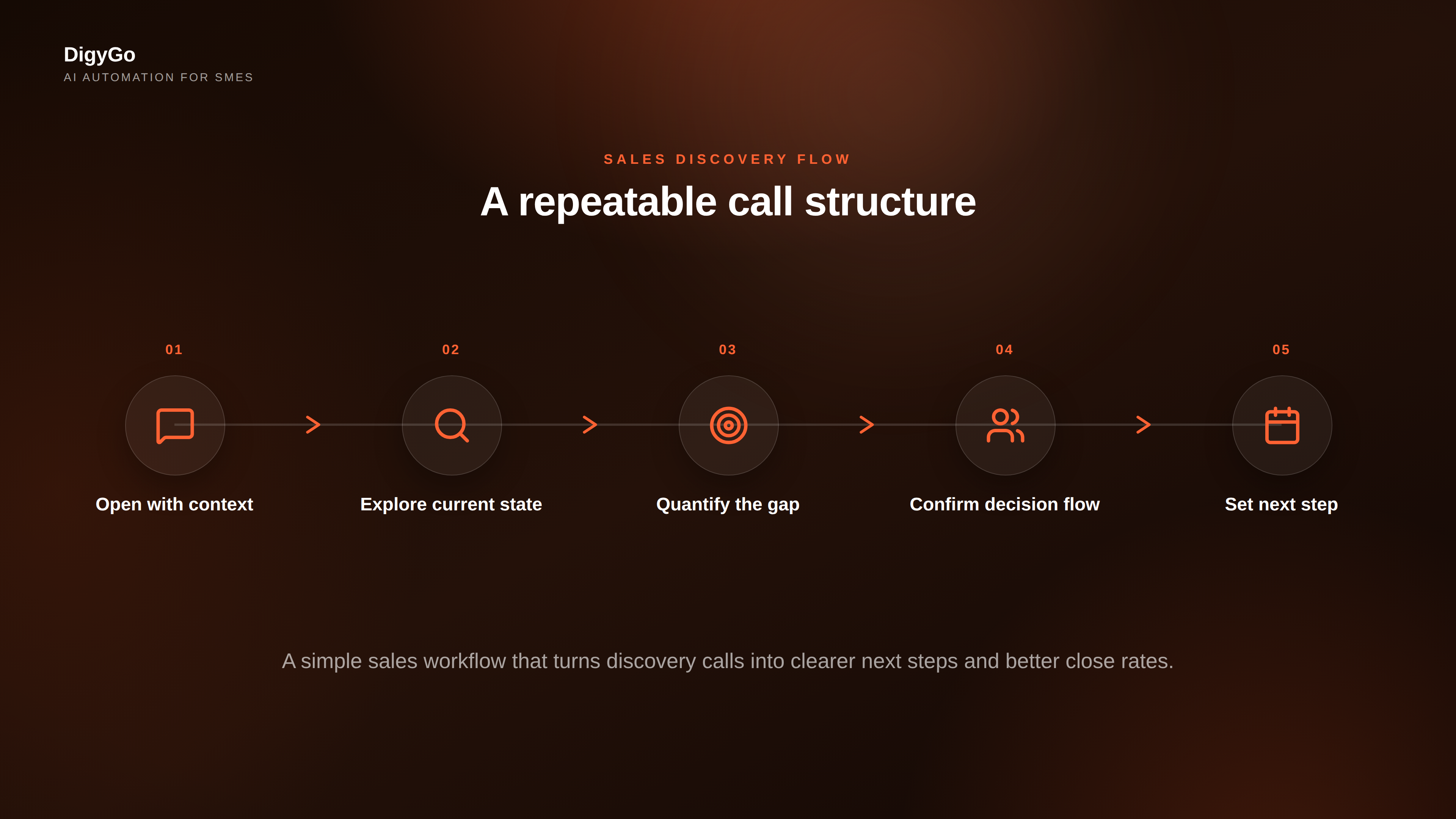
A simple discovery flow that improves close rate
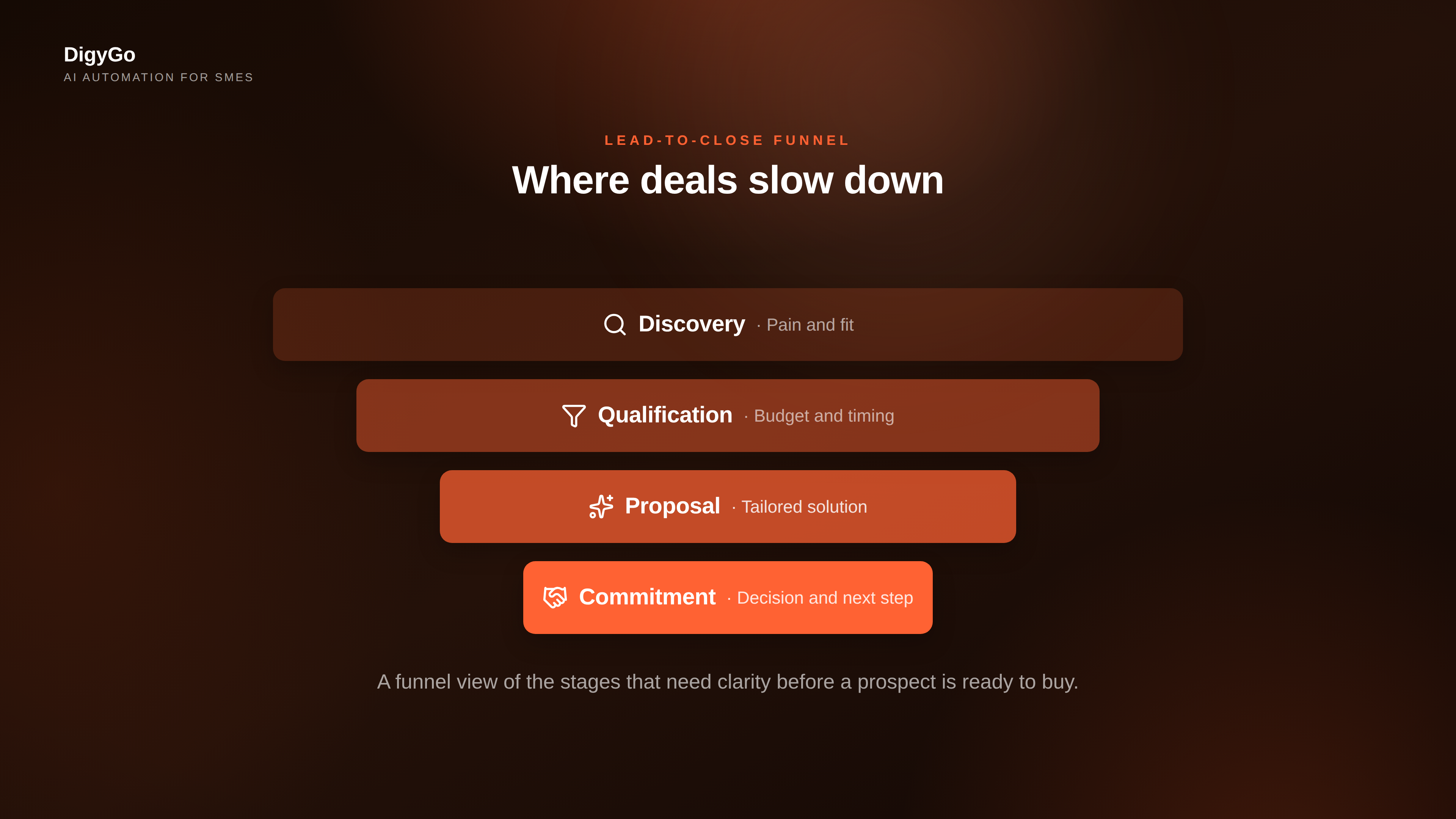
Use the same structure on every call so your team can compare conversations and improve outcomes. When the call has a repeatable flow, coaching becomes easier and buyers get a cleaner experience.
- Open with context. State why you are there and what the call will cover.
- Explore the current situation. Ask how they handle the process today and what breaks down.
- Quantify the gap. Find lost revenue, wasted time, or customer friction caused by the problem.
- Confirm decision flow. Learn who approves, who influences, and what the buying process looks like.
- Set the next step. Leave with a specific action, owner, and date.
This keeps the conversation moving from symptom to business impact instead of drifting into a generic demo request.
Questions that uncover buying intent
Good sales questions do more than collect facts. They help the prospect hear their own problem more clearly. The best questions are short, specific, and rooted in the outcome your solution can affect.
- What is this problem costing you each month?
- What happens if nothing changes in the next 90 days?
- What triggered the search for a solution now?
- How are you handling this today?
- What would a successful fix need to deliver?
These questions reveal urgency, fit, and readiness to buy. They also help you avoid chasing deals that look active but lack real momentum.
What to do after the call
The follow-up email should never be a generic thanks note. It should restate the pain point, confirm the agreed next step, and keep the conversation tied to the buyer’s language. If you wait too long, the prospect reverts to other priorities.
A strong follow-up includes the problem, the impact, the agreed timeline, and the person responsible for the next action. That is how you keep the deal in motion without sounding pushy.
- Send the summary within one working day.
- Use the buyer’s own words for the problem.
- Restate the agreed next step clearly.
- Attach anything that helps decision-making, not everything you have.
Common mistakes that slow down sales
Many teams think they need more leads when they really need better sales discipline. A weak discovery process creates noise in the pipeline, burns time in demos, and makes forecast calls unreliable.
Avoid these mistakes if you want cleaner conversion:
- Leading with features before pain is clear
- Accepting vague follow-up like “touch base later”
- Skipping budget or decision-maker questions
- Writing proposals before qualification is complete
- Letting the buyer control the timeline without a reason
How SME founders can coach this fast
You do not need a large sales enablement stack to improve closing. Start by reviewing recorded calls, marking where the rep uncovered pain, and checking whether the call ended with an actual commitment. Even a weekly 20-minute review can raise consistency.
When every rep follows the same discovery flow, your pipeline becomes easier to read, your forecasts become more stable, and your closing rate improves without adding more lead volume.
If your sales team is getting replies but not enough closes, DigyGo can help you tighten the pipeline, improve follow-up, and build a sales process your team can repeat. Talk to DigyGo about sales systems.